Travellers’ diarrhoea is a common illness affecting millions of people who travel to different parts of the world. It is characterized by the passage of unformed stools, often accompanied by abdominal cramps, nausea, and bloating. This article delves into the causes, risk factors, prevention, and treatment of travellers’ diarrhoea.
Causes and Risk Factors
Travellers’ diarrhoea is primarily caused by ingesting contaminated food or water. The pathogens responsible include:
Bacteria: The most common bacterial cause is Escherichia coli (E. coli), specifically enterotoxigenic E. coli (ETEC). Other bacteria such as Salmonella, Shigella, and Campylobacter can also be culprits.
Viruses: Norovirus and rotavirus are viral agents that can lead to diarrhoea.
Parasites: Protozoa like Giardia lamblia, Entamoeba histolytica, and Cryptosporidium can cause prolonged diarrhoea.
Risk factors for travellers' diarrhoea include:
Destination: High-risk areas include parts of Asia, Africa, Latin America, and the Middle East.
Dietary Choices: Consuming street food, raw or undercooked meat, seafood, and unpasteurized dairy products increases the risk.
Personal Factors: Young adults, people with compromised immune systems, and those with existing gastrointestinal conditions are more susceptible.
Symptoms
Symptoms of travellers’ diarrhoea typically begin abruptly and include:
Frequent, loose or watery stools
Abdominal cramps
Nausea and vomiting
Bloating
Fever (in some cases)
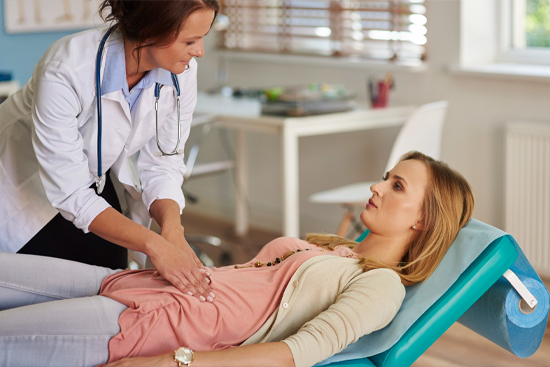
These symptoms usually appear within a few days of exposure to the contaminated source and can last from a few days to a week. In severe cases, dehydration can occur, necessitating medical attention.
Prevention
Preventing travellers’ diarrhoea involves a combination of careful dietary choices and hygiene practices:
Food and Water Safety:
Drink bottled or boiled water.
Avoid ice cubes, as they may be made from contaminated water.
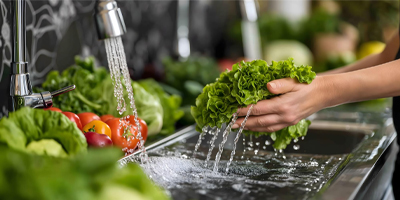
Eat thoroughly cooked food and peel fruits and vegetables yourself.
Avoid street food and unpasteurized dairy products.
Hand Hygiene:
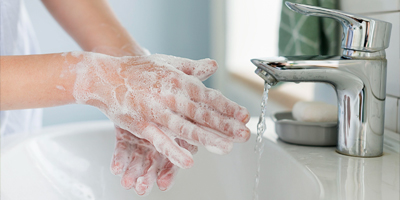
Wash hands frequently with soap and water, especially before eating.
Use alcohol-based hand sanitizers when soap and water are not available.
Prophylactic Measures:
Some travellers may consider taking prophylactic antibiotics if they are at high risk or have an important event that they cannot afford to miss. However, this is generally not recommended for most travellers due to the risk of antibiotic resistance and side effects.
Treatment
If travellers' diarrhoea occurs, the primary treatment goal is to stay hydrated. Here are key steps:
Rehydration: Drink plenty of fluids, preferably oral rehydration solutions (ORS) to replace lost electrolytes.
Diet: Eat light, easily digestible foods such as bananas, rice, applesauce, and toast (BRAT diet).
Medications:
Over-the-counter anti-diarrhoeal medications like loperamide can reduce the frequency of stools and improve comfort.
Antibiotics may be prescribed for severe cases, particularly if there is blood in the stools or high fever.