Gonorrhoea, a sexually transmitted infection (STI) caused by the bacterium Neisseria gonorrhoeae, affects both men and women. It’s primarily transmitted through sexual contact with an infected person and can infect the genitals, rectum, and throat. Timely testing and treatment are crucial to prevent complications and stop the spread of the infection. This article provides a comprehensive guide on gonorrhoea testing.
Understanding Gonorrhoea
Gonorrhoea is a common STI that can cause various symptoms, although some people may be asymptomatic. Common symptoms include:
Men:
Painful urination
Pus-like discharge from the penis
Pain or swelling in one testicle
Women:
Increased vaginal discharge
Painful urination
Vaginal bleeding between periods
Pelvic pain
Why Testing is Important
Testing for gonorrhoea is vital for several reasons:
Early Detection: Identifying the infection early allows for prompt treatment, reducing the risk of complications.
Preventing Spread: Knowing your infection status helps prevent the spread to sexual partners.
Preventing Complications: Untreated gonorrhoea can lead to serious health issues like pelvic inflammatory disease (PID) in women and epididymitis in men, both of which can cause infertility. It can also increase the risk of contracting or transmitting HIV.
Who Should Get Tested?
Regular testing is recommended for individuals at higher risk of gonorrhoea, including:
Sexually active women under 25
Women over 25 with new or multiple sex partners, or a partner who has an STI
Men who have sex with men
Individuals with a partner who has been diagnosed with gonorrhoea
People with other STIs, such as chlamydia or HIV
Individuals with symptoms of gonorrhoea
Types of Gonorrhoea Tests
Several methods are available to test for gonorrhoea:
Nucleic Acid Amplification Tests (NAATs):
The most common and accurate test.
Can be performed on urine samples or swabs from the cervix, urethra, rectum, or throat.
Detects the genetic material of Neisseria gonorrhoeae.
Gram Stain:
A sample from the affected area is stained and examined under a microscope.
Less commonly used but can be helpful for diagnosing infections in men with symptoms of urethritis.
Culture Test:
Involves growing Neisseria gonorrhoeae from a sample in a lab.
Useful for detecting antibiotic-resistant strains.
How Testing is Done
The procedure for gonorrhoea testing depends on the type of test and the site of infection:
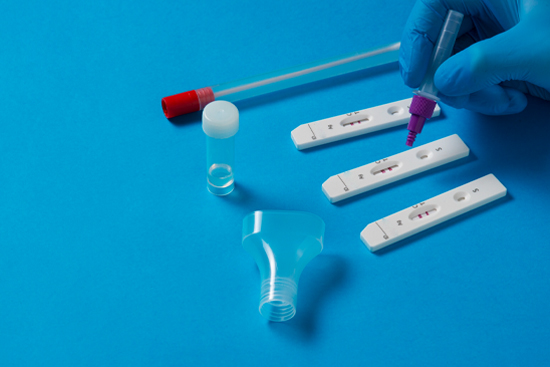
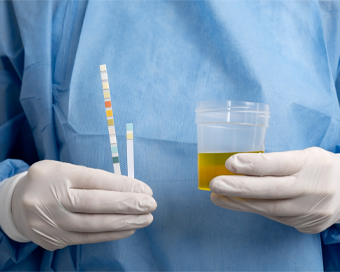
Urine Test: For men and women, a urine sample is collected to check for the presence of the bacteria.
Swab Test: A healthcare provider uses a swab to collect a sample from the potentially infected area (cervix, urethra, rectum, or throat).