
Comprehensive Sexual Health Check
A comprehensive sexual health check is an essential aspect of maintaining overall health and well-being. It involves a thorough evaluation of an individual’s sexual health, including screenings for sexually transmitted infections (STIs), assessments of sexual function, and discussions about sexual practices and contraceptive needs. Here, we delve into the components, importance, and process of a comprehensive sexual health check.
Importance of Comprehensive Sexual Health Checks
- Early Detection and Treatment of STIs:
- Regular screenings can detect STIs early, even when symptoms are not present, allowing for timely treatment and reducing the risk of complications.
- Preventative Care:
- Vaccinations, such as the HPV vaccine, can prevent certain infections. Comprehensive checks also offer an opportunity to discuss other preventative measures like safe sex practices.
- Sexual Function and Well-being:
- Addressing issues related to sexual function can improve quality of life and relationships. Early intervention can prevent long-term problems.
- Contraceptive Counseling:
- Evaluating and discussing contraceptive needs ensures that individuals are using the most suitable and effective methods for their circumstances.
- Holistic Health Approach:
- Sexual health is closely linked to mental and physical health. Comprehensive checks can identify issues that affect overall well-being, such as mental health concerns related to sexual health.
Components of a Comprehensive Sexual Health Check
Medical and Sexual History:
- Detailed discussion about sexual practices, history of STIs, contraceptive use, and any symptoms or concerns. This includes questions about sexual orientation, gender identity, and relationship status to provide tailored care.
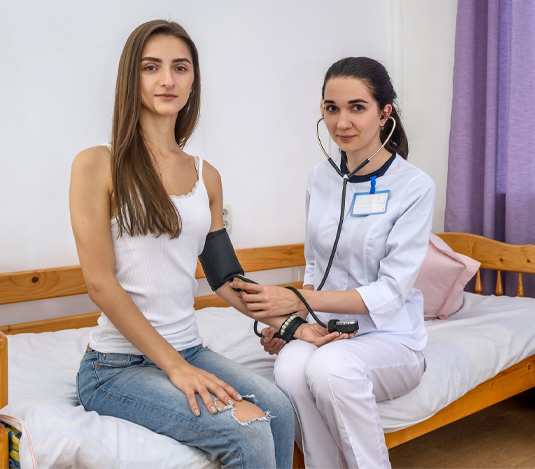
Physical Examination:
- Examination of the genital area and other relevant body parts to check for signs of STIs or other health issues.
- In some cases, a pelvic exam (for women) or prostate exam (for men) may be conducted.
- Screening and Testing:
- Tests for common STIs, such as chlamydia, gonorrhea, syphilis, HIV, herpes, and hepatitis B and C.
- Pap smears and HPV testing for cervical cancer prevention in women.
- Urine tests, blood tests, and swabs from the genital area, throat, or rectum as needed.
- Vaccinations:
- Administration of vaccines like the HPV vaccine or hepatitis B vaccine, if not already received.
- Counseling and Education:
- Information on safe sex practices, consent, and healthy relationships.
- Discussion of any sexual health concerns or questions, including those related to sexual orientation or gender identity.
- Contraceptive counseling to discuss and prescribe the most suitable methods.
- Follow-Up and Management:
- Planning follow-up appointments for test results, ongoing issues, or additional support.
- Management plans for diagnosed STIs or other sexual health concerns, including treatment and lifestyle adjustments.
The Process of a Comprehensive Sexual Health Check

Preparation
- Schedule an appointment with a healthcare provider who specializes in sexual health.
- Be prepared to discuss your sexual history openly and honestly to ensure the most accurate assessment and care.

Consultation
- During the appointment, the healthcare provider will take a detailed medical and sexual history.
- A physical examination and relevant screenings will be conducted based on the information provided.

Testing
- Samples for STI testing will be collected, which may include blood, urine, or swabs from different body sites.
- Vaccinations will be administered if needed.

Discussion
- The healthcare provider will discuss safe sex practices, address any concerns, and provide education on maintaining sexual health.
- Contraceptive options will be reviewed and prescribed if necessary.

Follow-Up
- Test results will be communicated, and any necessary treatment or further action will be discussed.
- Follow-up appointments may be scheduled to monitor ongoing issues or ensure effective management of any conditions.
Care Services
Looking for Advice?