Common symptoms of DVT include:
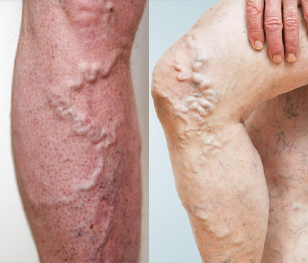
- Swelling in one or both legs
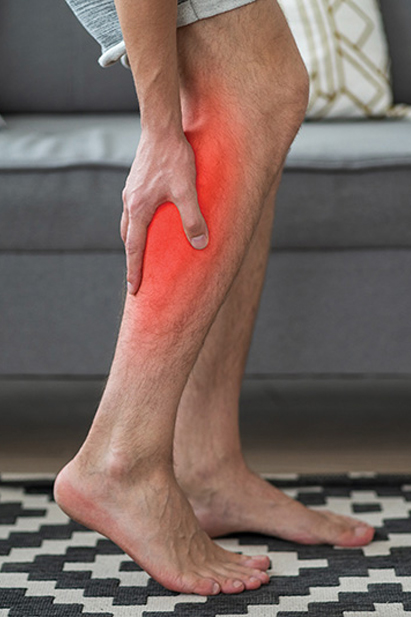
- Pain or tenderness in the leg, often starting in the calf
- Warmth in the affected area
- Red or discolored skin
To reduce the risk of developing DVT, consider the following preventive measures:
- Stay Active: Regular physical activity improves circulation. During long periods of immobility, such as flights, try to move around or perform leg exercises.
- Stay Hydrated: Drink plenty of water to prevent dehydration, which can thicken the blood.
- Wear Compression Stockings: These can help improve blood flow in the legs.
- Manage Weight: Maintain a healthy weight to reduce pressure on veins.
- Avoid Smoking: Smoking cessation reduces the risk of blood clots.
- Medication: If you have risk factors for DVT, your doctor may recommend blood thinners or other medications to prevent clot formation.
If diagnosed with DVT, treatment options may include:
- Anticoagulants: Blood-thinning medications prevent existing clots from growing and new clots from forming.
- Compression Stockings: These help reduce swelling and prevent complications.
- Thrombolytic Therapy: In severe cases, medications that dissolve clots may be used.
- Surgical Procedures: In rare cases, surgery may be required to remove a large clot.